Why Do Confined Space Workers Need Gas Detection Training?
In the U.S., anyone working in
manufacturing, utilities, wastewater treatment, construction, oil and gas, or
other industrial jobs is at risk of exposure to atmospheric hazards daily.
Confined spaces are especially difficult because many gases that can be
hazardous are either colorless, odorless or are present at a level that can't
be detected without the correct instruments. Correct use of a gas monitor is an
important component in ensuring a safe workplace for workers throughout the
U.S. industrial community.

A gas detector is more than just electronic
equipment. An important safety device which can warn workers when oxygen levels
are low, toxic gases are present, combustible atmospheres or conditions are
changing. But just as you don't protect yourself by carrying a monitor.
Employees should be familiar with the behavior of the sensors, when to trigger
an alarm, sampling methods, bump testing, calibration and the functions of the
instrument that is used.
The Gap in Knowledge can be filled with a
well-designed Gas
Monitoring Safety Course.
By focusing on the specific training, instead of just generally confined space
requirements, workers will receive useful information to use before and during
an entry. This can be very helpful when staff are on shift or shift change from
one facility to another, particularly when similar methods of gas detection are
required.
Gas Detection Training Live Online is also an option for U.S. employers who want to train employees,
but not to take the whole team off their regular work schedule. Live online
training can help deliver targeted employee training to workers who are at
multiple sites while reinforcing key training points including atmospheric
monitoring, alarm response and equipment troubleshooting.
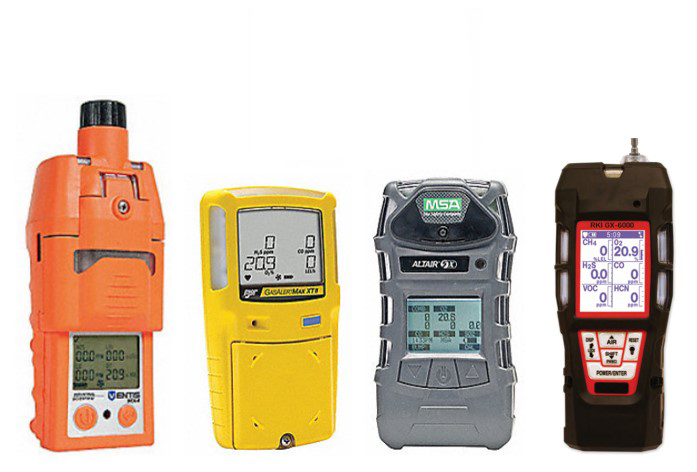
The Gas Monitor Competence Training - MSA
Altair5X / Altair 4 Gas Monitors program offers training specifically focused
on these monitors. The course is approximately 90 minutes long and will cover
confined space hazards, common gases and their effects, bump testing,
calibration, pump versus non-pump operation, sensor warnings and
troubleshooting, peak exposure reading, battery information, water resistance,
and basic/advanced monitor functions. It also contains information on practical
troubleshooting procedures, such as Hard Zero©, and correct and incorrect
responses to gas monitor alarms.
The pass mark for the course is 80% and the
course will be awarded a certificate of completion. Importantly, the training
is not intended to replace the manufacturer's operating manual, but rather to
be used as an addition. All employees should read and follow the related
manufacturer's instructions and workplace procedures when operating, testing
and maintaining their equipment.

Providing effective gas monitor training
can be a helpful way for employers to help ensure that written procedures are
followed. Workers who know the meaning of their monitor can see when the
monitor is indicating abnormal conditions, know what to do when alarms are
triggered, and know what may be going on in their equipment before they get
into a hazardous area.
If targeted instruction is desired, Gas
monitor competence training is a specialized instruction that focuses on
the equipment that workers use in the real industrial environment. It's courses
are designed to fill the gap between basic gas detector awareness and confident
gas detector use. Look at the programs and previews of Gas Monitor
Competence Training available on their website.


Comments
Post a Comment