Posts

Showing posts with the label confined space detector

Are You Ready for a Real Gas Emergency?

Image
  When it comes to confined space work, there is zero margin for error. These are not your average job sites—they’re hazardous zones where one misstep or misread can be fatal. That’s why confined space detectors and gas monitor training aren’t optional—they’re essential. A Confined space detector is more than a piece of equipment. It’s your eyes and ears in places where oxygen can disappear, toxic gases can build, and explosions can happen without warning. But here’s the catch: the detector is only effective if the person using it knows exactly how to operate it. That’s where proper training makes all the difference. Too often, workers rely on gas monitors without understanding how to perform a bump test, interpret alarm settings, or assess environmental readings. This false sense of security is dangerous. Real safety comes from knowledge, practice, and preparation. At Gas Monitor Competence Training, we don’t just hand you a manual—we give you the real-world skills to trust...
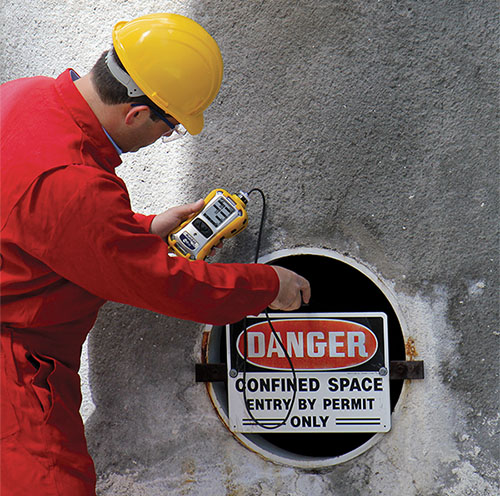
How Can Workers Ensure Proper Use of Confined Space Detectors?

Image
  Working in confined spaces or hazardous environments requires meticulous attention to safety. One of the most critical tools for ensuring worker safety is a confined space detector , also known as a gas monitor. These devices detect harmful gases, such as carbon monoxide, hydrogen sulfide, and oxygen deficiency, which can pose serious risks in confined spaces. However, simply having a gas monitor isn’t enough—regular gas monitor calibration is essential to ensure accurate readings and reliable performance. Why Confined Space Detectors Are Essential Confined spaces, such as tanks, silos, and tunnels, often contain invisible hazards that can be deadly. A confined space detector provides real-time monitoring of gas levels, alerting workers to dangerous conditions before they become life-threatening. Key benefits include: Early Detection: Identifying hazardous gases before they reach dangerous levels. Worker Safety: Protecting employees from exposure to toxic or explosive ga...

Stay Alert, Stay Safe: Mastering Gas Detection for Confined Spaces

Image
  Ensuring safety in confined spaces is crucial due to the risks of toxic gases, low oxygen levels, and flammable substances. A confined space detector plays a key role in keeping such areas safe by identifying hazardous gas levels before workers enter. Equipped with the right confined space detectors, employees can confidently perform their tasks knowing they’re in a safe environment. However, a detector is only as effective as the person using it. This is where gas monitor training becomes essential. Gas monitor training teaches workers not only how to use confined space detectors but also how to interpret readings, understand alarms, and respond appropriately to potential dangers. In-depth training ensures workers have the knowledge and confidence to react swiftly and correctly, potentially saving lives in dangerous conditions. Investing in gas monitor training doesn’t just protect workers; it also fosters a culture of safety within an organization. When employees are trai...