Is Online Gas Monitor Training Effective for Industrial Workers?
Gas detection is essential in protecting
workers in industrial environments throughout the United States against
air-borne hazards. Employees could be exposed to oxygen deficiency, toxic gases
or combustible atmospheres where they work at wastewater treatment plants,
manufacturing plants, oil and gas operations, utilities, and construction
sites. Ensuring that the gas monitor is used properly can mean the difference
between identifying a hazard and unknowingly entering one for workers who work
in and around confined spaces.

A gas detector will only work if the user
knows what it does, how it alerts for various gases, how it detects them, how
to sample them, and its limitations. In fact, Ventis Gas Monitor Training is
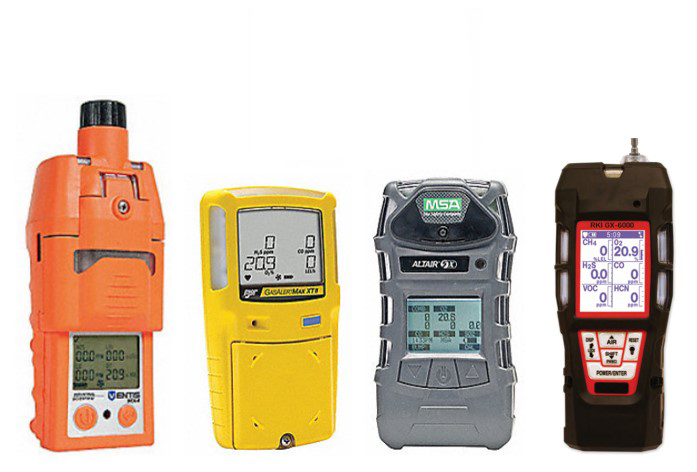
especially beneficial for teams operating Industrial Scientific Ventis Series
monitors. There are many aspects of safe entry taught in OSHA's confined space
training, but workers also must have practical skills on the gas detection
equipment they use.
The Gas Monitor Competence Training –
Industrial Scientific Ventis Series course is just for that. It is a
combination of a confined space refresher and monitor-specific instruction,
allowing workers to learn about both atmospheric hazards and atmospheric
monitoring equipment. Training includes common gases and their reactions,
proper and improper response to alarms, bump testing, calibration, pump versus
non-pump operation, monitor warning sounds, troubleshooting, basic monitor
functions and advanced monitor functions, battery information, water
resistance, and continuous monitoring.
The practical troubleshooting instruction
can be particularly helpful for those working in busy industrial settings. It
covers the use of Hard Zero©, how to observe peak exposures after an alarm and
the debunking of common myths about bump tests and calibration. These skills
are going to make an employee more confident responding to changes in the job
instead of just following a user manual.

Additionally, Online Gas
Monitor Training is a
great solution for U.S. employers with multiple shifts, locations or remote
teams. The course consists of the Ventis Series requiring around 90 minutes and
an 80% pass rate followed by certificate of completion. Employees can receive
the training without taking much time away from work, and employers can deliver
targeted training on the equipment used by their employees.
This kind of training is suitable for
facilities across the United States to help strengthen their safety culture
through developing competence from equipment familiarity. When a bump test is
needed and what the alarm signifies, how calibration is performed and what to
look for when a sensor or sampling problem occurs are all practical knowledge
learned by the worker that can be used before and during confined space work.
Gas monitor competence training offers specialized training, based on the real needs of workers,
for organizations seeking to build competence of gas detectors. The company
provides the Industrial Scientific Ventis Series course and other courses that
focus on the use of the monitors to ensure that the employees are operating
them more safely and confidently. Visit Gas Monitor Competence Training
to view the course and training materials.


Comments
Post a Comment