In high-risk industrial environments,
achieving complete atmospheric safety demands a highly technical, data-driven
approach to workforce development. Field crews along major industrial corridors
– from the intensive oil refining complexes and petrochemical plants along the
United States coastline to the massive civil engineering, utility, and
municipal wastewater networks across the nation – face the daily threat of
invisible atmospheric hazards. Lethal concentrations of combustible gases and
toxic vapors can quickly build up in industrial confined spaces such as deep
utility vaults, storage silos and underground sections of pipelines, or oxygen
can quickly be lost. These airborne hazards are entirely colorless and
odorless, so the survival of an entire work crew is dependent on their ability
to read and manipulate specialized safety instrumentation without hesitation.

The completion of an advanced Annual Gas Monitor Refresher Course
has become a critical operational baseline to systematically close gaps in
equipment management and ensure that personal multi-gas devices are working
flawlessly. Sophisticated catalytic, galvanic and electrochemical sensors are
used in handheld monitoring devices which are very sensitive analytical
instruments. If a field worker fails to properly perform a daily qualitative
challenge, fails to heed a sensor fault notification, or fails to understand a
toxic threshold alarm, the defensive line against hazardous gases is completely
breached. Focused training each year gives workforce teams the technical skills
they need to conduct required pre-entry procedures, identify blocked filters,
deal with sensor cross-sensitivities and conduct manual gas challenges
accurately under high-stress field conditions. Safety frameworks, historically,
were based on generic safety seminars with generic site rules.
Today’s industrial operations require
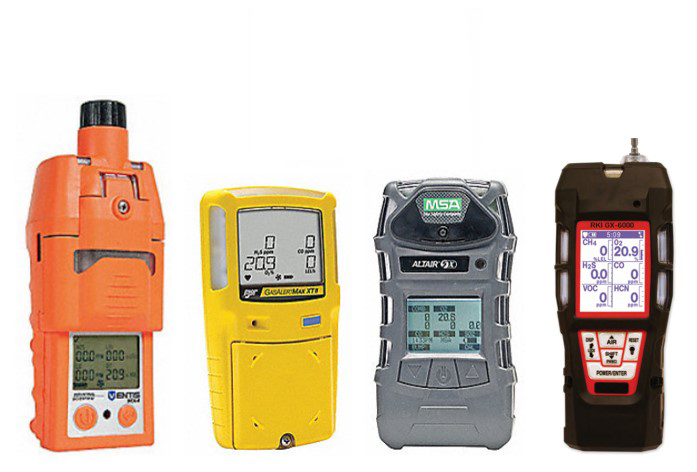
targeted, device-specific qualification. Validated Ventis Gas Monitor Training is
required to make sure instrument operators don’t just wear a device, but they
understand the specific software logic of the instrument, the buttons and the
daily verification requirements. Comprehensive, professional coursework fills
the dangerous gap left by entry-level safety orientations, teaching personnel
how to safely clear peak readings, configure custom actionable alarms, use the
Assign badge tapping system, and respond correctly to man-down alerts on
advanced Industrial Scientific hardware. This proactive approach empowers your
team to make confident, smart data-driven decisions in the event of an
atmospheric emergency.
For compliance directors and environmental
health and safety (EHS) managers looking for a trusted, simplified way to
create and document baseline corporate safety protocols, as well as advanced
hardware mastery, it is essential that they select comprehensive regulatory
coursework. Modern industry can meet this high standard with a digital training
asset of authority, the Gas Monitor Competence Training - WHMIS 2025
Refresher, for a fixed investment of $14.99. The Workplace Hazardous
Materials Information System (WHMIS) is important in helping workers get the
information and tools they need to work safely with hazardous products. This
content should be reviewed periodically to ensure that everyone is keeping
themselves and others safe and complying with Canadian safety regulations. This
simple, affordable digital course guarantees your international or cross-border
teams are always up to date on chemical classification standards, hazard
symbols and safety data sheet (SDS) interpretation before they ever deploy
specialized monitors in the field. In the long term, the value of integrated,
device-specific testing and educational infrastructure is far more than just
meeting city safety codes. “Precise instrument training fosters a highly
proactive corporate safety culture where minor sensor errors or calibration
drift are identified independently before a crew ever steps onto a job site.
This systematic way of working directly minimizes legal liability for corporate
stakeholders, prevents costly sensor damage from incorrect testing procedures,
and reduces workers’ compensation insurance premiums. Also, increasing your
team’s technical knowledge reduces project downtime from false alarms or basic
field confusion significantly.

When field crews can confidently
troubleshoot specialized instrumentation and independently apply appropriate
gas challenges, work permits are cleared faster and operational productivity is
not interrupted. This strict preventative framework ensures your workforce is
operating at peak efficiency, while providing an impenetrable defense against
unseen atmospheric hazards. Don’t let hidden operator blind spots or gaps in
brand specific knowledge jeopardize your project timelines and team safety.
Partner with Gas monitor competence training for total operational compliance
and world-class safety validation.
https://www.gasmonitorcompetence.com/ is
our dedicated educational portal where you can enroll your personnel or design
your own corporate safety framework.


Comments
Post a Comment