A Beginner’s Guide to Bump Test Training
Working in spaces that involves exposure to hazardous gases,
need the presence of portable gas detectors for ensuring safety at work place.
Moreover, these devices can only be reliable if they function in right
direction. This is where the Gas
detector bump testing becomes critical as a routine safety
practice. For the beginner, bump test training offers the needful information
and experience required to verify gas monitors’ correct functioning before each
use.
What do you understand by gas detector bump testing?

Gas detector
bump testing is a quick operational test that exposes a gas
monitor to a certain concentration of test gas. The motto is to verify if all
sensors and alarms are functioning rightly. During the bump test, the detector
must:
·
Show right readings
·
Respond to the test gas
·
Activate vibrating, audible, and visual alarms
In contrast to calibration, a bump test does more than just
adjusting sensors. It ensures that the instrument can gauge gas and alert the
user.
Importance of bump test training
Maximum of the workers think that getting a gas detector
turned on is just not it and indeed the sensors can fail and become blocked
with time. And without bump test
training, employees may depend on faulty device. The training
assists workers comprehend:
·
How to undertake a successful test
·
Why this test is to be done before each time use
·
The difference between calibration and bump
testing
·
What actions to take when detector fails
Having knowledge on these can lower down the risks of gas
exposure resulting from equipment malfunctioning.
What all do one learn in bump test training?

A general bump
test training comprises of:
·
Step-by-step bump testing procedures
·
Basic gas threats and monitor functions
·
Pass or fail criteria
·
Needful equipment and calibration gas
·
Recordkeeping and documentation
·
Solving failed tests
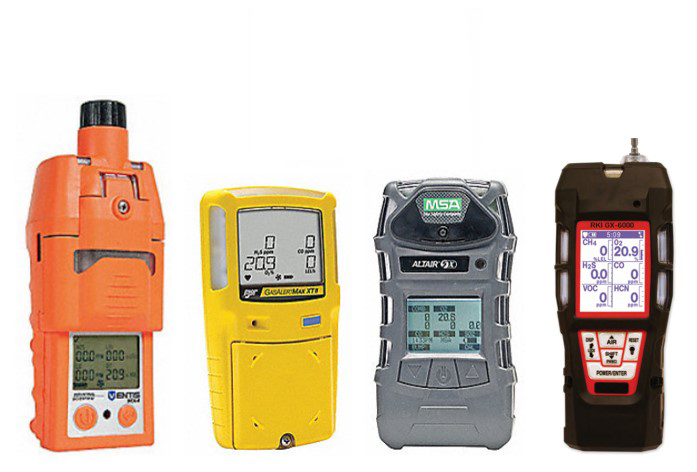
Some of these courses make use of the practical exercises
with common gas monitor brands.
Basic bump test procedure
The procedure involved for Gas detector
bump testing is as below:
1.
Turn the detector on and let it compete its
automatic check.
2.
Integrate the regulator and the calibration gas
cylinder.
3.
Apply the test gas to the monitor.
4.
Confirm that the sensors act within acceptable
limits.
5.
Verify that alarms are activated properly.
6.
Record the outcomes
If the test result is a failure status, then the detector
must be immediately recalibrated or repaired or replaced.
Calibration and bump testing

A basic beginner problem lies the understanding the
difference of calibration and bump testing. Where calibration helps in
adjusting the device for precise readings, bump testing provides a guarantee
that the detector is properly responding to the test gas. Both are significant
but bump testing is done on a regular basis before each use.
Proper training benefits
Once the Bump
test training is done, the participants become confident in
using the equipment and contributing well in improving the workplace safety.
This contributes in gaining trust in monitors, lowering the false readings
risk, lesser equipment failure, and enhanced compliance with safety
regulations.


Comments
Post a Comment