Which Industries Require Gas Monitor Training for Employees the Most?
The exposure of workers to potentially harmful gases in workplaces across the United States is often delayed until it becomes too late. The use of gas detection technology is widespread in industries such as oil and gas, wastewater treatment, manufacturing, chemical processing, and utilities to ensure safe working conditions. This is why employees receive training on Gas Monitor as a crucial component of workplace safety programs and regulatory compliance.

The field, including confined spaces,
storage tanks and pipelines, as well as industrial facilities, requires
employees to understand how gas detection equipment works. The purpose of
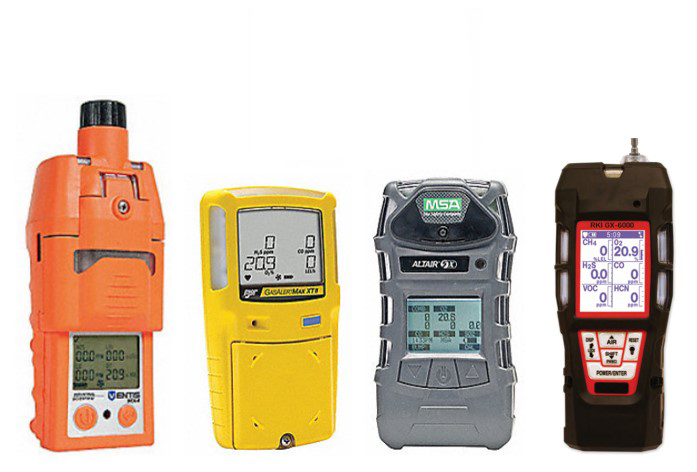
multi-gas monitors is to identify potential atmospheric dangers, including
hydrogen sulfide (H2S), carbon monoxide (CO), methane (CH4), and oxygen
deficiency or enrichment. Gas Monitor training is necessary to ensure that
workers are well-trained in dangerous gas exposure situations, resulting in
misreading alarm thresholds, skipping calibration procedures or not responding
appropriately.
In the United States, gas hazards are a
common factor among workers in major industrial areas across multiple states,
including Texas, Louisiana, Pennsylvania, and California, where they face daily
occupational risks. OSHA regulations stipulate that employees of refineries,
energy plants, and construction sites must undergo atmospheric testing before
entering confined spaces. Workers in these areas can benefit from the hands-on
nature of professional gas monitor training, which is not always offered through
online courses.
The In-person gas monitor training
involves hands-on practice with portable gas detectors, covering topics such as
bump testing, sensor calibration, alarm set-point configuration and atmospheric
monitoring procedures. They also develop a better understanding of
electrochemical sensors, catalytic bead sensors (CLP), infrared detection
technology and photoionization detectors (PID). Employees can receive hands-on
training that identifies potential danger and prevents it from becoming
life-threatening by quickly identifying warning signals.
The provision of Gas
Monitor training for employees
by organizations leads to improved safety performance and reduced
incidents at work. By utilizing gas monitoring equipment that is designed to
detect gas buildup in advance, workers can prevent catastrophic accidents by
being trained in the correct operation.

Industry professionals receive professional
training programs through Gas Monitor Competence Training, who is a dependable
source. Their gas monitor training programs are specialized and address
real-life hazards, accurate detector operation, and OSHA/ANSI compliance. The
programs provide safety managers with the necessary tools to ensure teams are
safe from atmospheric hazards.
The emphasis of structured Gas Monitor
training for employees is not solely on ensuring compliance. This builds a
stronger sense of workplace safety, improves operational knowledge, and
provides technical confidence to employees that they can protect themselves and
their colleagues in hazardous industrial settings.


Comments
Post a Comment