Posts

Are You Ready for a Real Gas Emergency?

Image
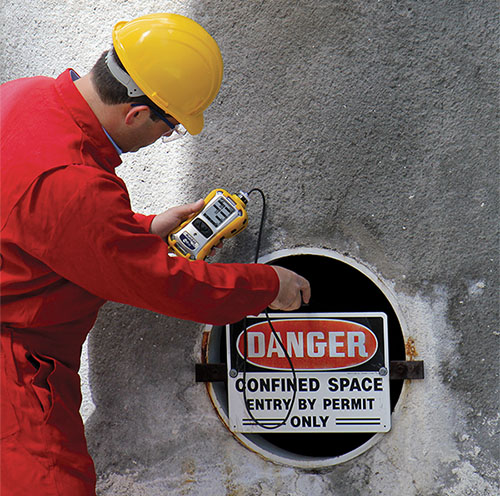
  When it comes to confined space work, there is zero margin for error. These are not your average job sites—they’re hazardous zones where one misstep or misread can be fatal. That’s why confined space detectors and gas monitor training aren’t optional—they’re essential. A Confined space detector is more than a piece of equipment. It’s your eyes and ears in places where oxygen can disappear, toxic gases can build, and explosions can happen without warning. But here’s the catch: the detector is only effective if the person using it knows exactly how to operate it. That’s where proper training makes all the difference. Too often, workers rely on gas monitors without understanding how to perform a bump test, interpret alarm settings, or assess environmental readings. This false sense of security is dangerous. Real safety comes from knowledge, practice, and preparation. At Gas Monitor Competence Training, we don’t just hand you a manual—we give you the real-world skills to trust...

Stay Safe, Stay Trained: Why Training Courses on Gas Monitor Training Are Needed

Image
  Construction, utilities, oil and gas, wastewater treatment and confined space industries are real labor places where hazardous gases are something to watch out within real sense, so a gas monitor detector is never an optional accessory to use, rather, this is a life-saving device. However, there is the following truth that most people are not taking into consideration: even possessing a gas monitor is not sufficient, knowing how to use a monitor can be equally important. Gas monitor training courses come to the rescue there. The gas detectors present today are sophisticated instruments, which are meant to detect oxygen depletion, toxic gases, and explosion ambiences. However, the more sophisticated the monitor is, the more deadly another type of inefficiency can become the fact of workers who do not understand how to operate, calibrate, interpret, or respond to the alarms properly. Our Gas Monitor training courses are practical ones. It is not merely instructing how to pr...

Should You Calibrate your Multi-Gas Detectors Yourself or Get It Done by a Professional?

Image
  Working in a confined space introduces several health dangers such as oxygen deficiency, exposure to poisonous gases and sudden unexpected hazards. For this reason, you should always prioritize these two vital steps. Ensure your multi-gas detectors are calibrated and your team is trained to recognize the skills and capabilities necessary for work in a confined space area. A multi-gas detector plays a vital role in the safety of workers in dangerous workplaces. It warns you when the air is low on oxygen, contains combustible gases or contains harmful gases such as carbon monoxide and hydrogen sulfide. A device will be useless if it isn't in good working order due to inaccurate or faulty calibration. Over time, sensors drift. Changes in temperature or shocks may lead to issues with the readings. Reliable readings are a must when making decisions that could affect everyone’s safety. Ensuring you've a trained and qualified confined space competent person on your team is just as...

Confined Space Detection: Why Proper Gas Monitor Training Saves Lives

Image
  Entering a confined space without adequate gas detection knowledge is like navigating a minefield blindfolded. These environments contain invisible threats that can incapacitate workers in moments—oxygen-deficient atmospheres, toxic gases like hydrogen sulfide, and explosive vapors. Yet every day, workers rely on detection equipment they may not fully understand, creating preventable risks. The Critical Role of Confined Space Detectors Gas monitors serve as the first line of defense in hazardous environments. However, simply owning a detector isn’t enough. Workers must know: How to calibrate and bump test devices (a skipped step can mean false readings) Which gases their monitor detects (and which it misses) How environmental factors (humidity, temperature) affect accuracy When to trust—or question—readings Without this knowledge, a "safe" reading can be a deadly mistake. Why Training Matters More Than Ever Many assume that if a detector alarms, they’ll r...

Pre-Entry Checks: A Critical Step in Confined Space Safety

Image
  In high-risk industries, safety is non-negotiable. One of the most critical aspects of workplace safety, especially in confined spaces, is gas monitoring. Whether it’s detecting toxic gases, oxygen deficiency, or explosive atmospheres, gas monitors are lifelines for workers. However, simply having the equipment isn’t enough. Proper training is essential to ensure competence in using these devices effectively. This is where Gas Monitor Training Courses come into play. Confined spaces, by their very nature, pose unique challenges. Limited entry and exit points, poor ventilation, and the potential for hazardous gas accumulation make them dangerous environments. Without the right knowledge and skills, workers risk exposure to life-threatening situations. Confined Space Gas Monitor courses are designed to equip personnel with the expertise needed to operate gas detection equipment confidently and interpret readings accurately. These courses cover a wide range of topics, includin...

How Can Workers Ensure Proper Use of Confined Space Detectors?

Image
  Working in confined spaces or hazardous environments requires meticulous attention to safety. One of the most critical tools for ensuring worker safety is a confined space detector , also known as a gas monitor. These devices detect harmful gases, such as carbon monoxide, hydrogen sulfide, and oxygen deficiency, which can pose serious risks in confined spaces. However, simply having a gas monitor isn’t enough—regular gas monitor calibration is essential to ensure accurate readings and reliable performance. Why Confined Space Detectors Are Essential Confined spaces, such as tanks, silos, and tunnels, often contain invisible hazards that can be deadly. A confined space detector provides real-time monitoring of gas levels, alerting workers to dangerous conditions before they become life-threatening. Key benefits include: Early Detection: Identifying hazardous gases before they reach dangerous levels. Worker Safety: Protecting employees from exposure to toxic or explosive ga...

Are You Equipped to Handle Confined Space Risks?

Image
  Safety is a shared responsibility in industries dealing with hazardous environments. Gas monitor training courses and reliable confined space gas monitors play a pivotal role in equipping workers to face workplace risks with confidence. But what exactly do these courses offer, and how do gas monitors ensure safety? Let’s explore. Why is Gas Monitor Training Crucial? Imagine entering a confined space without knowing how to operate a gas monitor. Alarming, isn’t it? Gas monitor training ensures workers are skilled in detecting and responding to hazardous gases like methane, carbon monoxide, and hydrogen sulfide. Training covers: Device operation: Learn to handle gas monitors effectively. Calibration and maintenance: Ensure accurate readings and device longevity. Emergency response: Develop protocols for quick action during incidents. The Role of Confined Space Gas Monitors Confined spaces are breeding grounds for dangerous gases and low oxygen levels. Confined space ...